That is in Montreal, there is some amazing stuff at the Botanique.
3 Likes
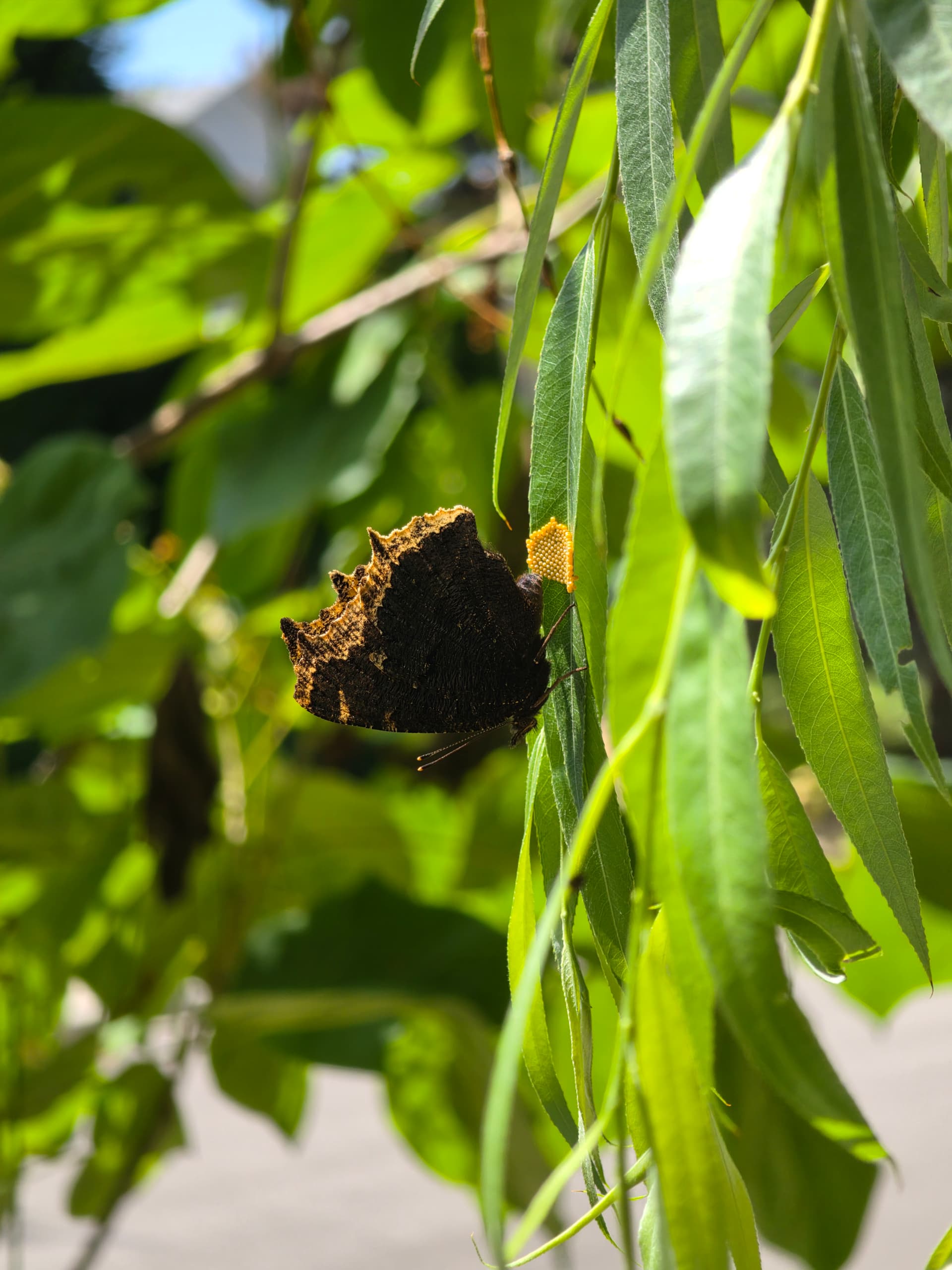
Saw this butterfly resting (laying eggs) on a willow leaf. I looked up the species and it’s Nymphalis Antiopa, known as the Mourning Cloak in North America and the Camberwell Beauty in Britain.
4 Likes
Brown bullhead catfish melanoma represents a novel transmissible cancer
Abstract
Since 2012, brown bullhead catfish (Ameiurus nebulosus) in a lake that spans Vermont, USA, and Quebec, Canada, have shown a high rate of melanomas, suggesting a causal contaminant or contagion. We tested the hypothesis that this affliction represents a clonally transmissible cancer, a rare phenomenon in which cancer cells themselves spread between individuals, behaving more like parasites than conventional tumours. Whole-genome sequencing of tumour and matched non-tumour host tissues revealed that tumour mitochondrial and nuclear genomes are more closely related to each other than to their hosts or unaffected fish. Hundreds of thousands of genetic variants are shared among tumour samples but are absent from host fish, vastly exceeding levels seen in conventional cancers. These findings indicate that melanoma in these brown bullheads represents the fourth documented type of naturally occurring transmissible cancer in animals, after dogs, Tasmanian devils and several bivalve species. This raises important questions about the cancer’s origin, the mode of transmission and the long-term impact on fish populations.
3 Likes
Yikes. Thank goodness there wasn’t a bite.
In this case, “football” is American style Rugby. 
1 Like
3 Likes
Not sure where to put this…
2 Likes
A diminutive wild cat that inhabits Bolivia’s cloud forest has been identified as a previously unknown species, marking the first time a new living feline species has been formally named and described in more than a century.
The cat, called tilcayo by local communities, is part of a group called tiger cats found across much of South America. It was found in Bolivia’s lush Yungas forest, a mountainous region where forests are often covered by clouds and surrounded by high humidity, according to researchers. It measures about 18in (46cm) long and weighs about 3lb (1.4kg), making it smaller than the average domestic cat.
3 Likes
Lovely looking creature.
1 Like
Meanwhile, in Bangladesh

2 Likes
No photos just cardboard cutouts. I don’t know if it is cute or not  .
.
Sounds large and threatening.
https://www.theatlantic.com/photography/2026/09/photos-wildflowers-bloom-atacama-desert/688728/
An extraordinary bloom of flowers currently happening in Atacama desert (Chile), due to the latest El Niño.
3 Likes
When a good thing is a bad omen 
Isn’t Atacama the ‘driest’ desert on the earth?
2 Likes
I saw an Attenborough documentary years ago about the Sahara (I think). It was similar there. A brief period of rain could bring it to life for a few weeks, and then it would be back into indefinite hibernation.
1 Like
As @RedWhippet says, a rare period of rain can transform the driest of deserts in a flower garden. Just for a few days or maybe weeks, and then everything returns to dust.
I don’t think it’s the first time that it happens in the Atacama desert, but due to this year’s El Niño, it seems to be particularly spectacular and beautiful right now. 
2 Likes
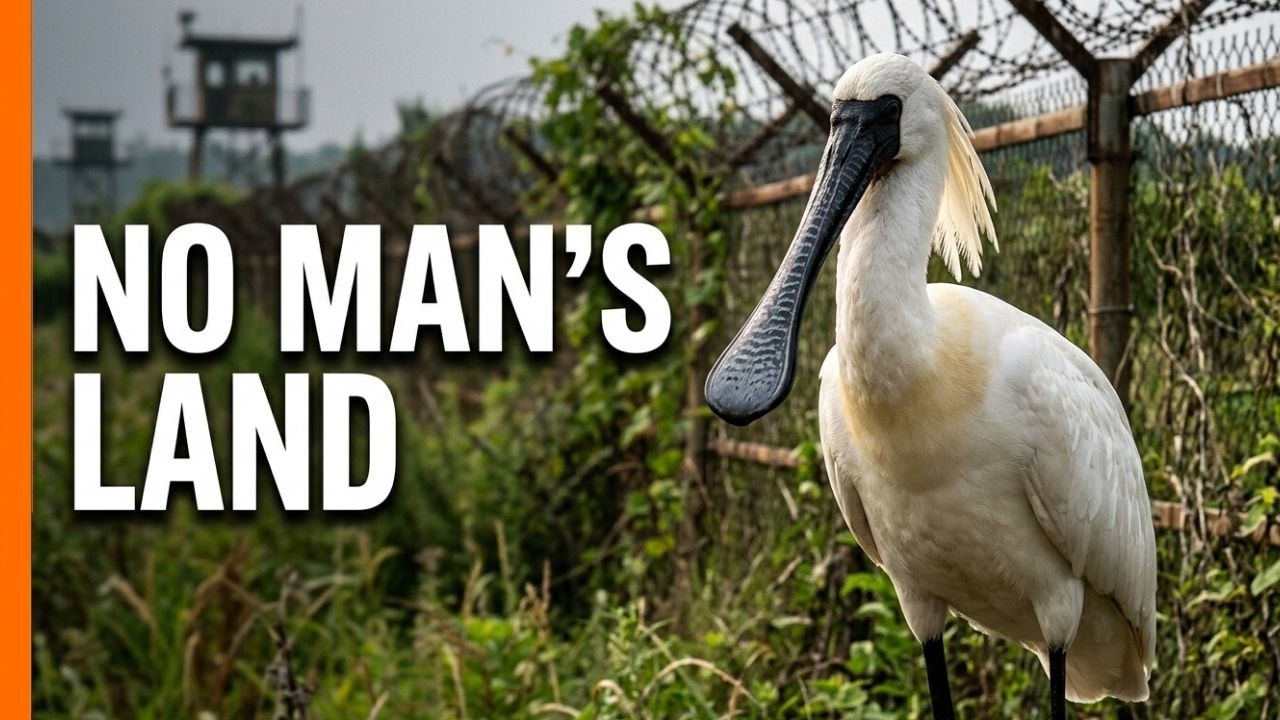
I saw several documentaries on Chernobyl which had the same narrative, nature thrives in the absence of humans.
3 Likes