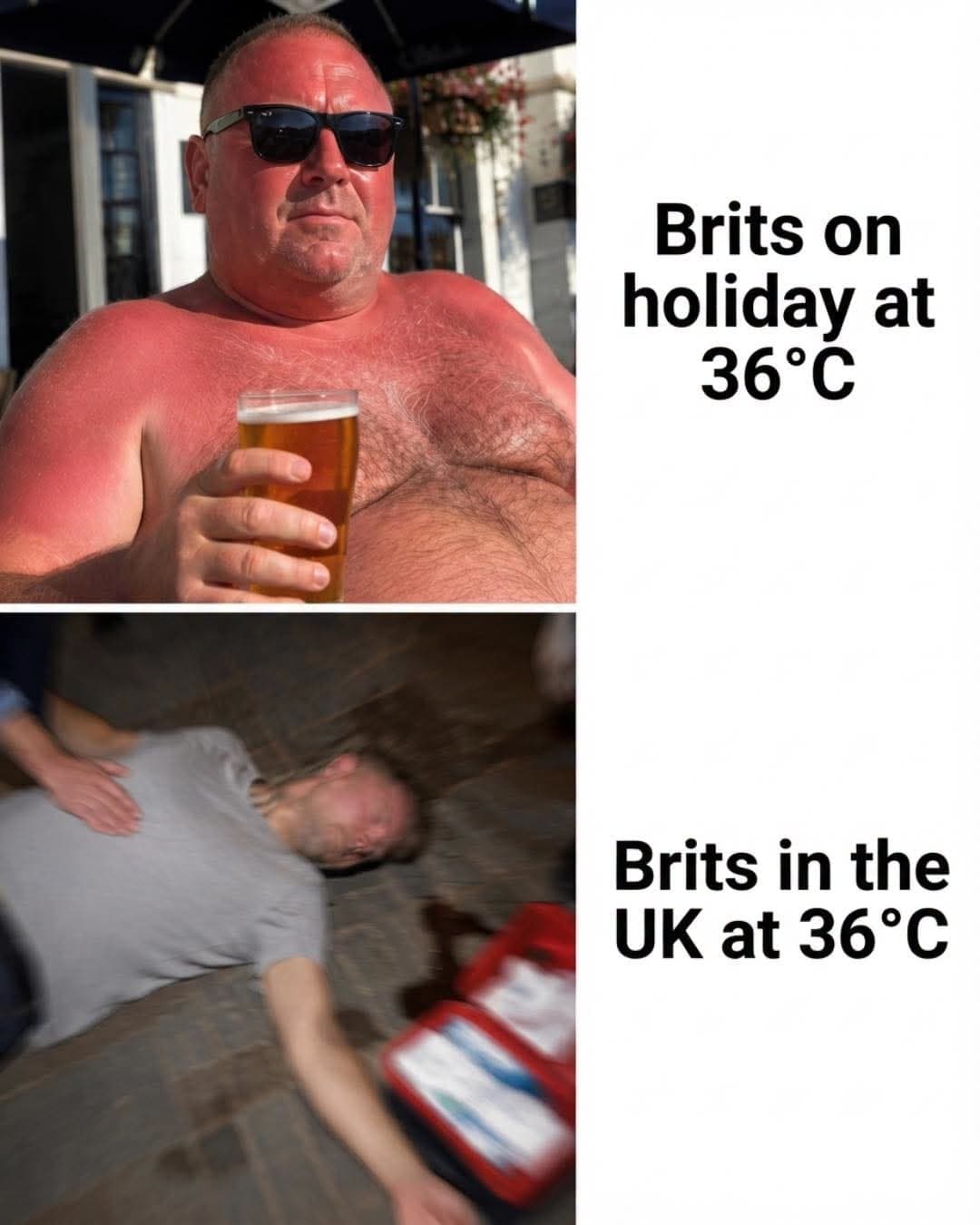
Unfortunately for those who rent, it’s not likely that the landlord would allowed them to have A/C mounted on the windows.
2 Likes
from an aussie used to dealing with extremes i find air flow is key.
a pedalstool fan with a water spray bottle is both efficient and effective.
my set up at home is ducted air, but hardly ever in the bedrooms where a ceiling fan on low pushes enough air around to deal with all but the most aggressive of heats.
ceiling fans all through the house. just to push the air around
a simple water spray bottle will make a massive difference aswell.
stay hydrated.
4 Likes
a wet flannel around back of your neck when you need an instant lowering of temperature.
Where are you in Oz? In dry climates, the thermal loss from evaporation can have a massive effect, wet towel behind a fan can produce amazing cooling. In humid climates, doesn’t do much.
2 Likes
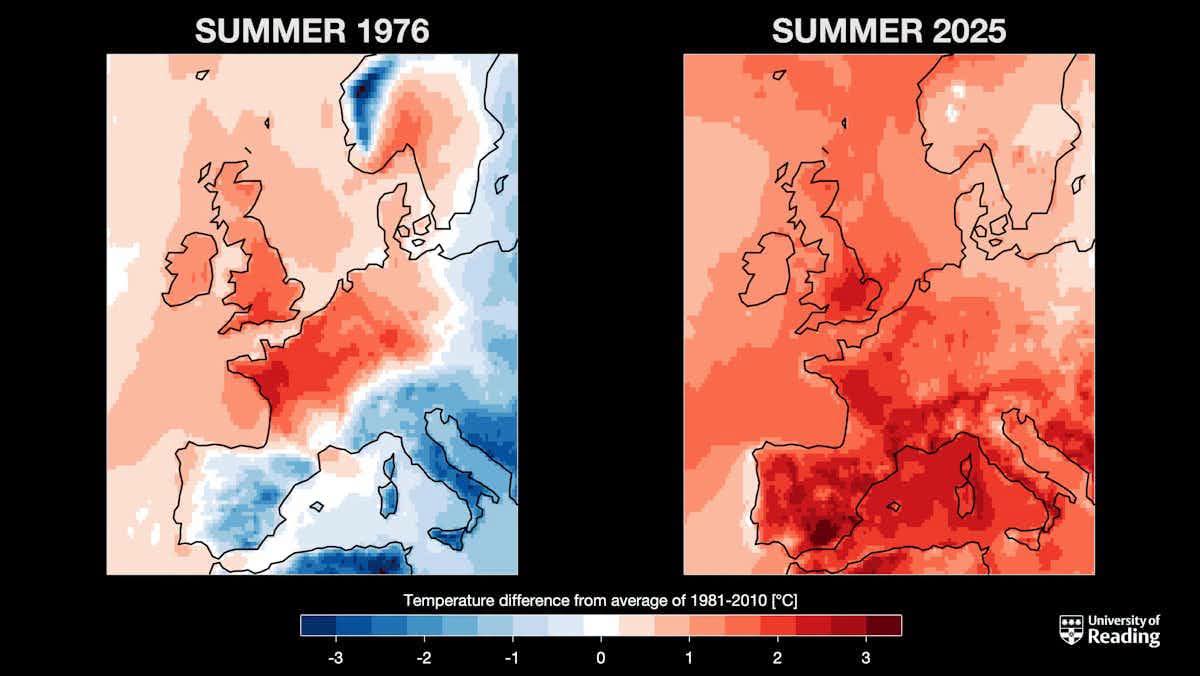
I remember 1976 in the UK, it was a legendary event in the youths of a few people on here I’m sure.
It was hot for a long time, and there was a drought, but the heat was much more localised and not as intense as the recent heatwave.
5 Likes
He lives in Frankston.

Surely not it does get hot  there.
1 Like
It does.
Very hot.
So where is this Frankston?
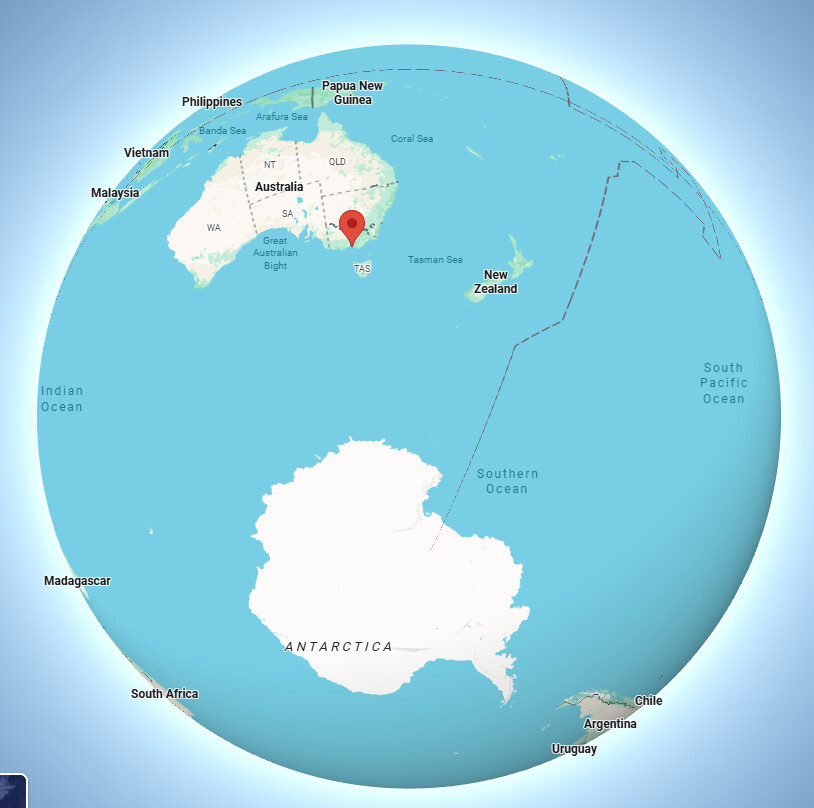
That’s where I thought it was  .
.
The drought was the biggest concern. The temperatures were high but bearable (except I got sunburned on New Brighton beach - probably a good chance of dysentery at the time as well). However, it didn’t rain in any significant form for over a month and there was a real concern that we would run out of drinking water. There were huge crop failures, particularly potatoes which was much more of a staple crop at the time.
The thing now is that people say, “we coped in 1976”. In fact, we didn’t. The government did take immediate action (we had a “minister for drought”) and in the following years there was water infrastructure investment, introduction of water metering, and a co-ordinated emergency plan put in place.
The other thing is that in 1976, the temperatures were in the low 30s, which is uncomfortable, now they are in the high 30s, which is above your normal body temperature. The problem has shifted from the lack of water to the actual heat. There are things that can be done about that, but they are going to be expensive.
5 Likes
Do they have figures for deaths associated with the 1976 heatwave?
I’ve heard some numbers being banded round on the heatwave we had a month or so ago.
I think the accepted figure was around 30% excess deaths from all causes. I’m not sure how much analysis was done that far back.
The problem with temperature related excess deaths is that they follow a sort of U graph. It’s usually lowest around 19°C and there isn’t much excess risk between 14° and 25°. Beyond that, the risk starts growing quite rapidly for each extra degree. So going from 24 to 25 is nothing like as bad as going from 34 to 35.
It also affects different groups to a greater extent, so the infirm, elderly, pregnant etc might be more affected than a healthy younger person.
2 Likes
Yep, I was living in London that year, left in late July. I didn’t realize it was as regional as that - but as I recall the drought was the real problem, because the heatwave came at the end of almost a year of very low rainfall.
1 Like
https://x.com/NoContextBrits/status/2070448830206685267
36 degrees—no comment.
3 Likes
2 torrential downpours today, accompanied by thunder & lightning.
Only time I’ve ever seen rain like that was during rainy season in Jakarta back in 2013
2 Likes
I had a video conference earlier, my director in the UK said that it’s melting. The home office does not even have windows. It was stale air. Yikes.
1 Like
Melbourne
1 Like